Depreciation: meaning and examples
Depreciation is the fall in a vehicle's or machine's value over time through age, use and wear. It is usually the biggest cost of owning a vehicle, and a documented service history is one of the things that can slow its effect on resale value.
How it works
Depreciation is the amount a vehicle loses in value as it ages and is used. It is steepest in the early years for most vehicles, and then levels out.
Age and mileage matter most, but condition and proof of care count too. Two similar vehicles can sell for different prices if one has a full, dated service history and the other has none.
You cannot stop depreciation, but you can show a buyer that the vehicle has been looked after.
Records at the point of sale
Illustration: a buyer comparing two trucks with similar mileage will find it easier to trust the one with a PDF listing every service, date, reading and receipt.
How to track it in Loggy
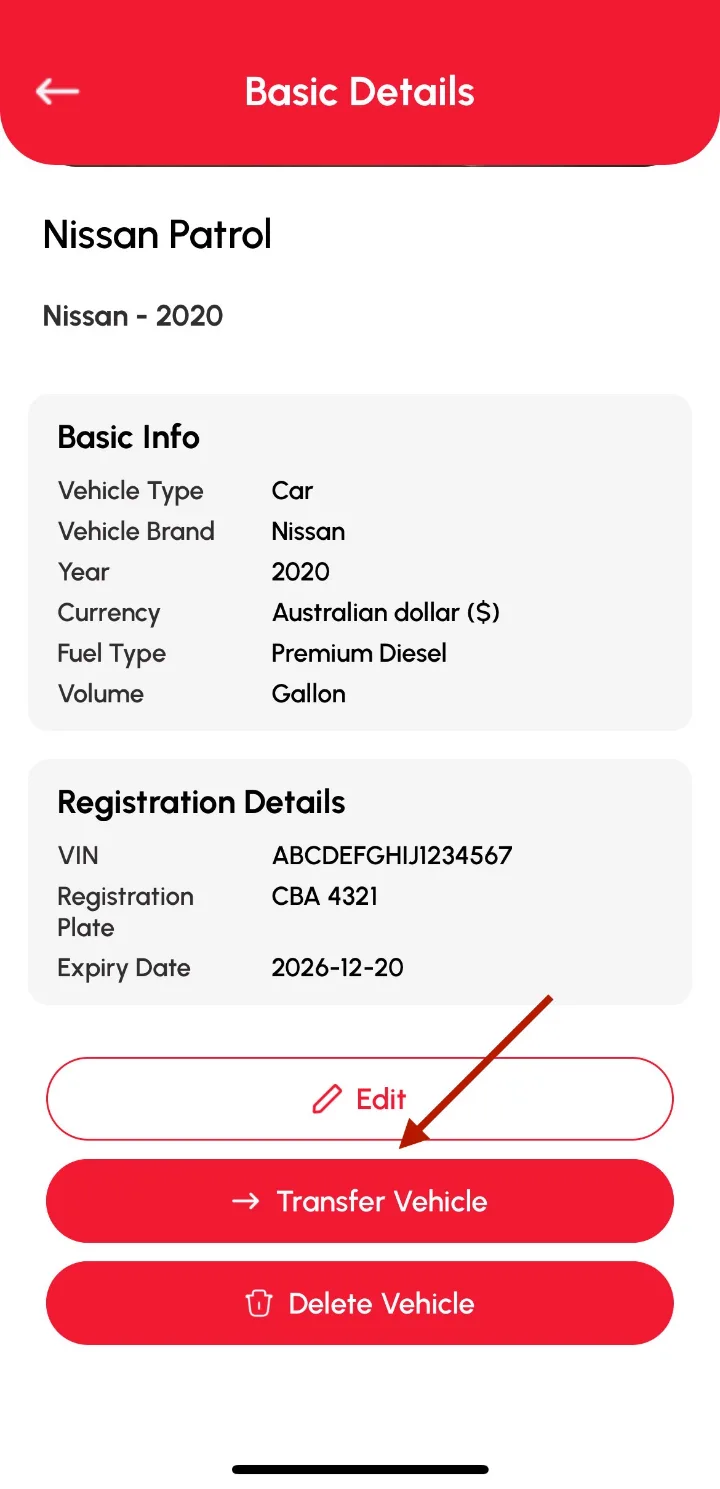
Log every service and repair so there is a record to show a buyer. When you sell, you can transfer the vehicle's history to the new owner.
- Log every service and repair as you go.
- Add older paper records so the history is complete.
- When you sell, export the PDF or transfer the history to the new owner.
Loggy is a free maintenance logbook app for iOS and Android. The free plan has unlimited vehicles, reminders, PDF export and vehicle transfer, and no ads.


Frequently asked questions
Does a service history raise the price?
It can help a buyer feel confident. The size of the effect varies, so do not count on a set figure.
Is depreciation a cost?
Yes. It is often the largest single cost of owning a vehicle, though you only see it when you sell.
How is depreciation different from wear?
Wear is physical. Depreciation is the fall in market value, which wear and age both affect.